Montreal
YUL
Montreal-Trudeau International Airport

Canada
Departures


Arrivals


Montreal-Trudeau International Airport
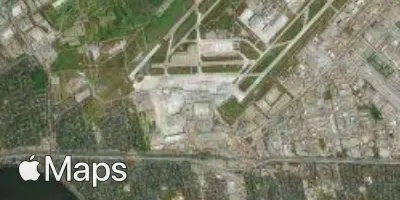
Montreal-Trudeau International Airport (YUL) serves Montreal, Canada, and lies about 10 miles from the city center. The airport sits at an elevation of 117 feet above sea level, a low-altitude setting typical of the St. Lawrence lowlands.
YUL functions as a major international gateway for eastern Canada, with departures and arrivals connecting the city to destinations across North America and Europe. The mix of transatlantic flights to Western Europe alongside domestic and continental North American routes reflects the airport's dual role as both a national hub and an international connector. This blend of long-haul and shorter regional service gives Montreal-Trudeau a diverse traffic profile, supporting travelers moving between Canadian cities and those crossing the Atlantic for business or leisure.
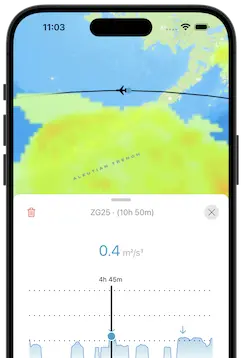
Given its coastal-adjacent, low-elevation location and its exposure to both continental and oceanic weather systems, flights to and from YUL can experience varying atmospheric conditions depending on the season and direction of travel. Travelers connecting through Montreal-Trudeau to European destinations may encounter different turbulence patterns than those on shorter North American routes, making the airport a useful reference point for understanding how flight paths across the Atlantic and within the continent can differ in stability.
Height above sea level
117 ft
Distance to city
10 miles
Traffic volume
200 flight per day
Satellite