Moscow
VKO
Moscow Vnukovo International Airport

Russian Federation



Arrivals
Moscow Vnukovo International Airport
Moscow Vnukovo International Airport (VKO) serves the Russian capital, Moscow, and sits roughly 17 miles from the city center. The airport lies at an elevation of 686 feet above sea level, a factor that, along with regional weather patterns, can influence approach and departure conditions for flights operating there.
As one of Moscow's key aviation gateways, Vnukovo handles a mix of domestic and international traffic, connecting the city to destinations across Russia as well as to other regions of Europe and Asia. This dual role means travelers passing through the airport can expect a blend of short domestic hops and longer international routes, reflecting Moscow's position as a major hub linking Eastern Europe with points further east. The scale of operations at Vnukovo places it among the busier airports in the country, supporting substantial passenger volumes moving to and from the capital.
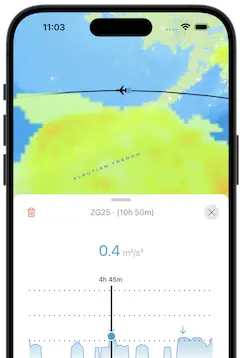
For travelers monitoring turbulence forecasts, understanding both the airport's elevation and its role as a connector between domestic and international air routes provides useful context. Flights departing or arriving at Vnukovo may experience varying conditions depending on the season and the direction of travel, whether heading toward other Russian cities or onward to international destinations across the wider Eurasian region.
Height above sea level
686 ft
Distance to city
17 miles
Traffic volume
150 flight per day
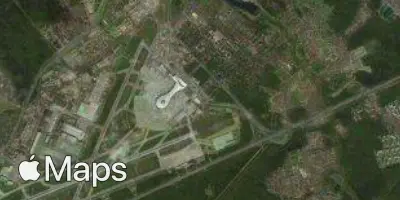
Satellite