San Francisco
SFO
San Francisco International Airport

United States
Departures


Arrivals

San Francisco International Airport
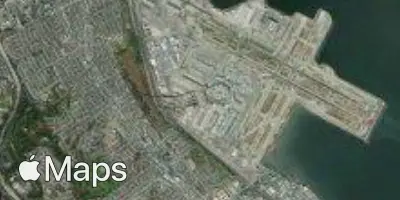
San Francisco International Airport (SFO) serves San Francisco, United States, and sits about 13 miles from the city center at an elevation of just 11 feet above sea level.
The airport's route pattern reflects a strong mix of domestic and international connectivity. Departures and arrivals link San Francisco to destinations across the East Coast, West Coast, and Pacific Northwest regions of the United States, as well as to western Canada, indicating a broad domestic network spanning multiple U.S. time zones. The presence of long-haul service to East Asia points to SFO's role as a significant gateway between North America and Asia, supporting substantial transoceanic traffic in addition to its dense continental network. This combination of short-haul domestic routes and intercontinental flights suggests a hub with considerable scale, serving both business and leisure travelers moving within North America and those connecting onward to Asia-Pacific markets.
Given its low elevation near the coastline, travelers should be aware that marine layer conditions and coastal weather patterns common to the San Francisco Bay Area can be a factor in flight operations. The airport's mix of domestic short-haul and long-haul international flights means passengers may encounter varying turbulence profiles depending on route length and direction, particularly on transoceanic segments crossing the Pacific.
Height above sea level
11 ft
Distance to city
13 miles
Traffic volume
1200 flight per day
Satellite