Jackson
JAC
Jackson Hole Airport

United States


Arrivals
Jackson Hole Airport
Jackson Hole Airport (JAC) serves Jackson, in the United States, and lies about 8 miles from the city center. At 6,447 feet, it sits at one of the higher elevations among airports of its kind, a factor that affects aircraft performance and can influence how flights are planned and flown into and out of the region.
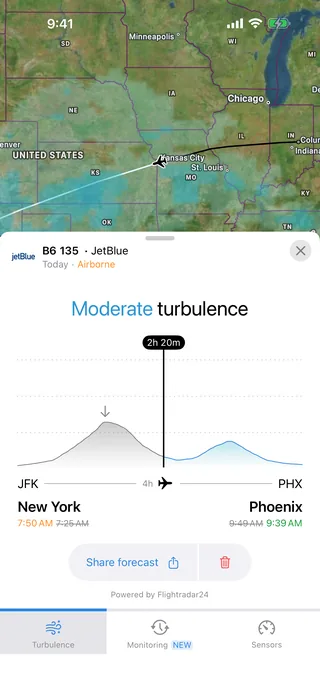
The airport's high-altitude setting means thinner air at ground level, which typically requires longer takeoff and landing distances and can affect climb rates, especially in warmer months. Surrounding mountainous terrain is also a defining characteristic of operations here, as approaches and departures often involve navigating around elevated landforms rather than flat, open terrain. Travelers should be aware that these geographic conditions can occasionally contribute to bumpier segments of a flight, particularly during climb and descent phases when aircraft are closer to terrain features and subject to localized air movement caused by the mountains.
Given its distance from the city and its position within a mountain valley, Jackson Hole Airport functions as a gateway for travelers heading into the surrounding highland region. The combination of elevation and terrain makes it a notable airport from an operational perspective, distinct from lower-altitude, flatland airports where such factors play a lesser role in day-to-day flight conditions.
Height above sea level
6447 ft
Distance to city
8 miles
Traffic volume
30 flight per day
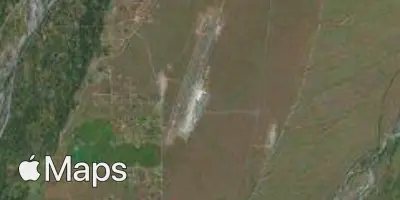
Satellite